Oct 7, 2026
EPE Foam vs Die-Cut Honeycomb: Fragile Glass Packaging Guide
Compare EPE foam vs custom die-cut honeycomb paper for fragile glass packaging. Learn how to beat the plastic tax with 100% recyclable inserts. Get a quote.
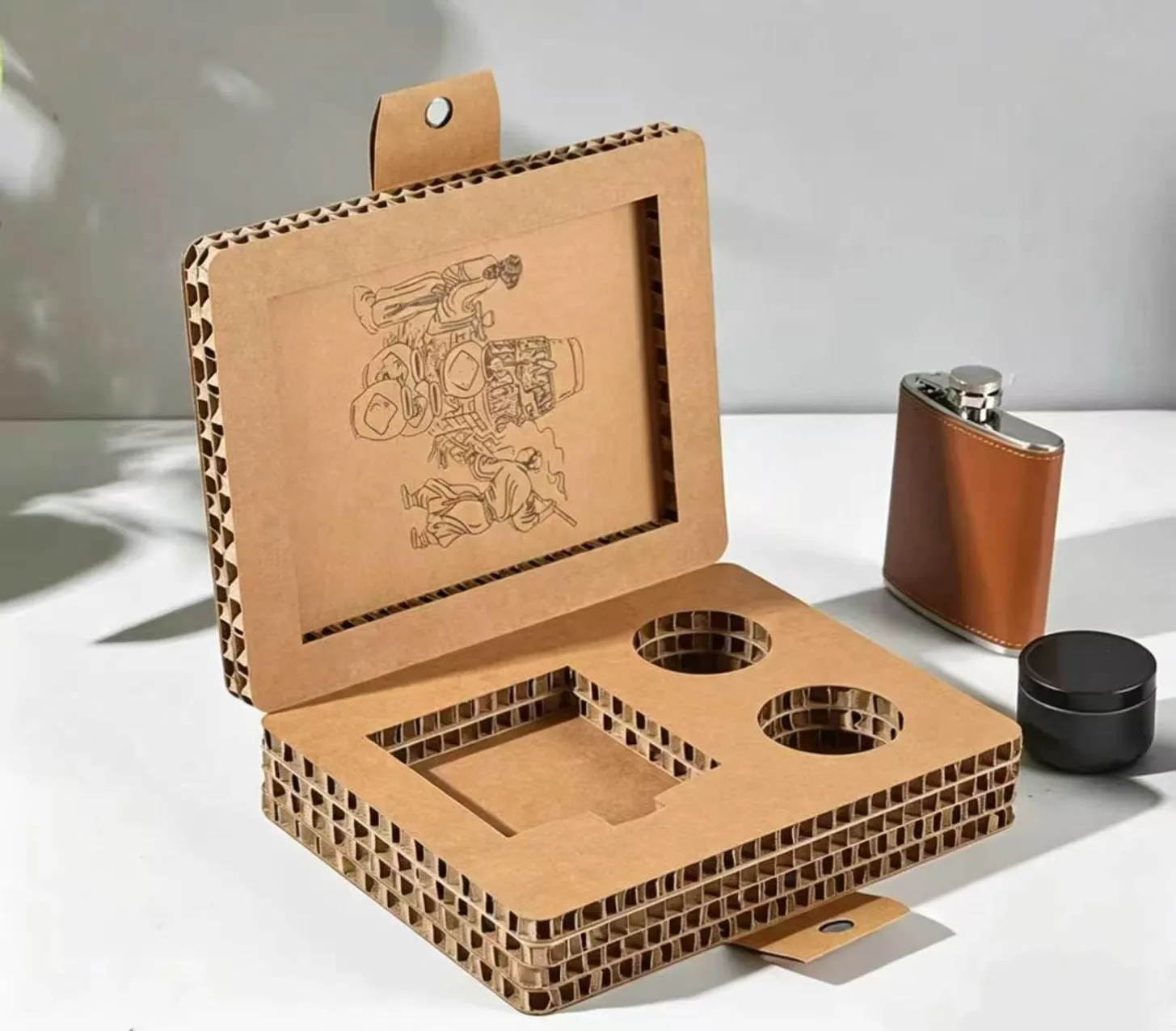
EPE Foam vs. Die-Cut Honeycomb: Which is Better for Fragile Glass?
Shipping fragile glass products—whether it is premium wine and spirits, luxury cosmetics, or precision optical lenses—is one of the highest-stakes challenges in global logistics. A single drop or severe vibration during transit can result in shattered products, ruined brand reputation, and massive financial losses.
For years, EPE (Expanded Polyethylene) foam has been the go-to solution. It is soft, flexible, and absorbs shock effectively. However, as global supply chains face strict new environmental mandates like the EU and UK Plastic Packaging Tax, EPE foam has become a costly and unsustainable liability.
If you are a packaging engineer or procurement director, you must find a 100% eco-friendly alternative that does not compromise on heavy-duty protection.
In this guide, we compare traditional EPE foam with custom die-cut honeycomb paper inserts to determine the ultimate protective packaging solution for fragile glass.
Executive Summary: The Quick Verdict
- The Problem with EPE Foam:While it offers good cushioning, EPE is a petroleum-based plastic. It is notoriously difficult to recycle curbside, frustrates eco-conscious consumers, and attracts heavy plastic tax penalties.
- The Honeycomb Solution:FSC certified honeycomb paper provides superior structural protection through geometric shock absorption. It is 100% biodegradable, tax-exempt, and offers a premium unboxing aesthetic.
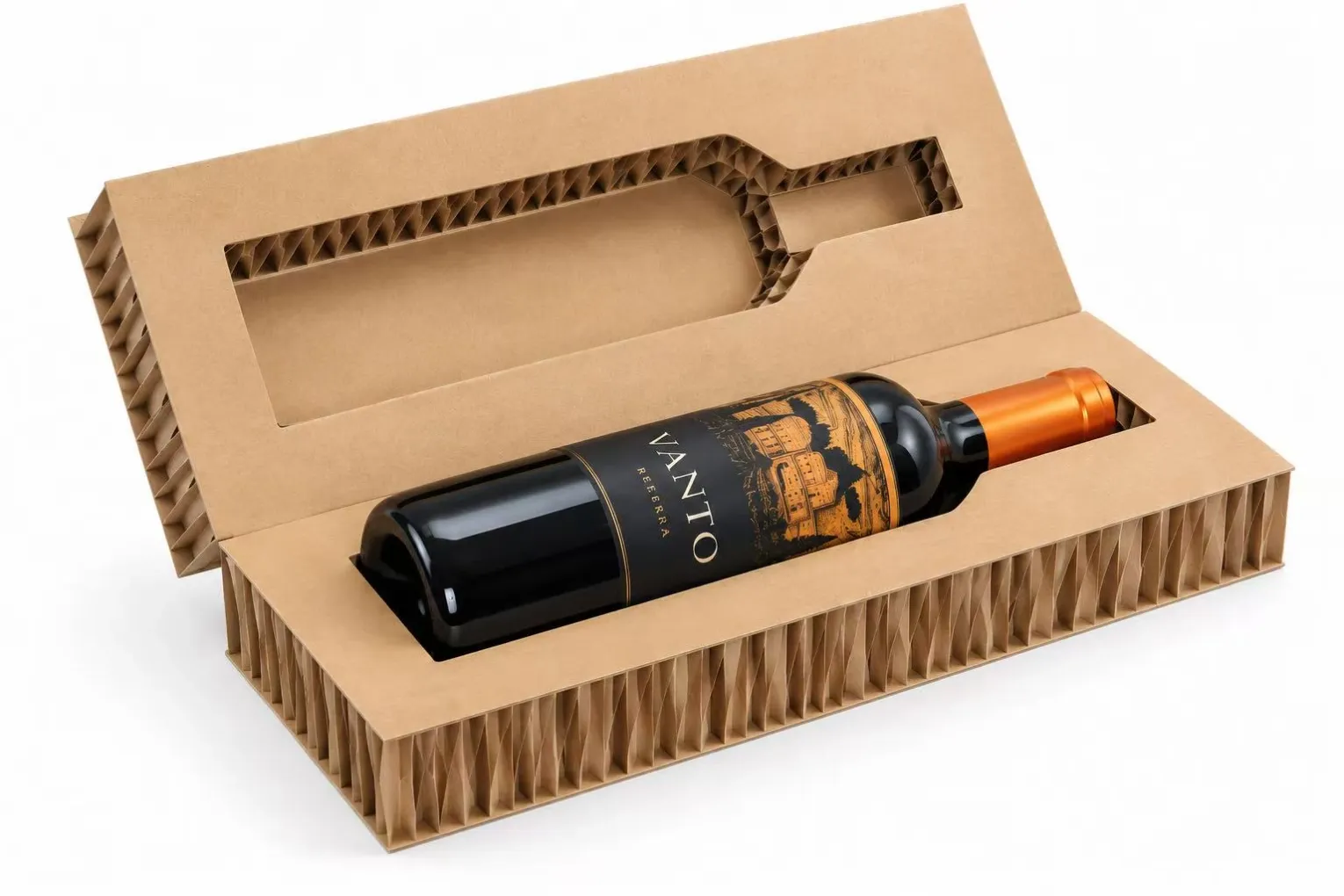
- The Maxwell TecX Advantage:Utilizing CNC oscillating knives, we engineer 100% dust-free, custom-fit honeycomb inserts with zero mold costs, ensuring your fragile glass is perfectly immobilized.
1. Shock Absorption: Material Flexibility vs. Structural Geometry
The core debate between EPE foam and honeycomb paper lies in how they handle kinetic energy during a drop.
EPE foam relies on material flexibility. It compresses like a sponge to absorb impact. While effective for lightweight items, heavy glass bottles can easily bottom out the foam during a severe drop, leading to breakage.
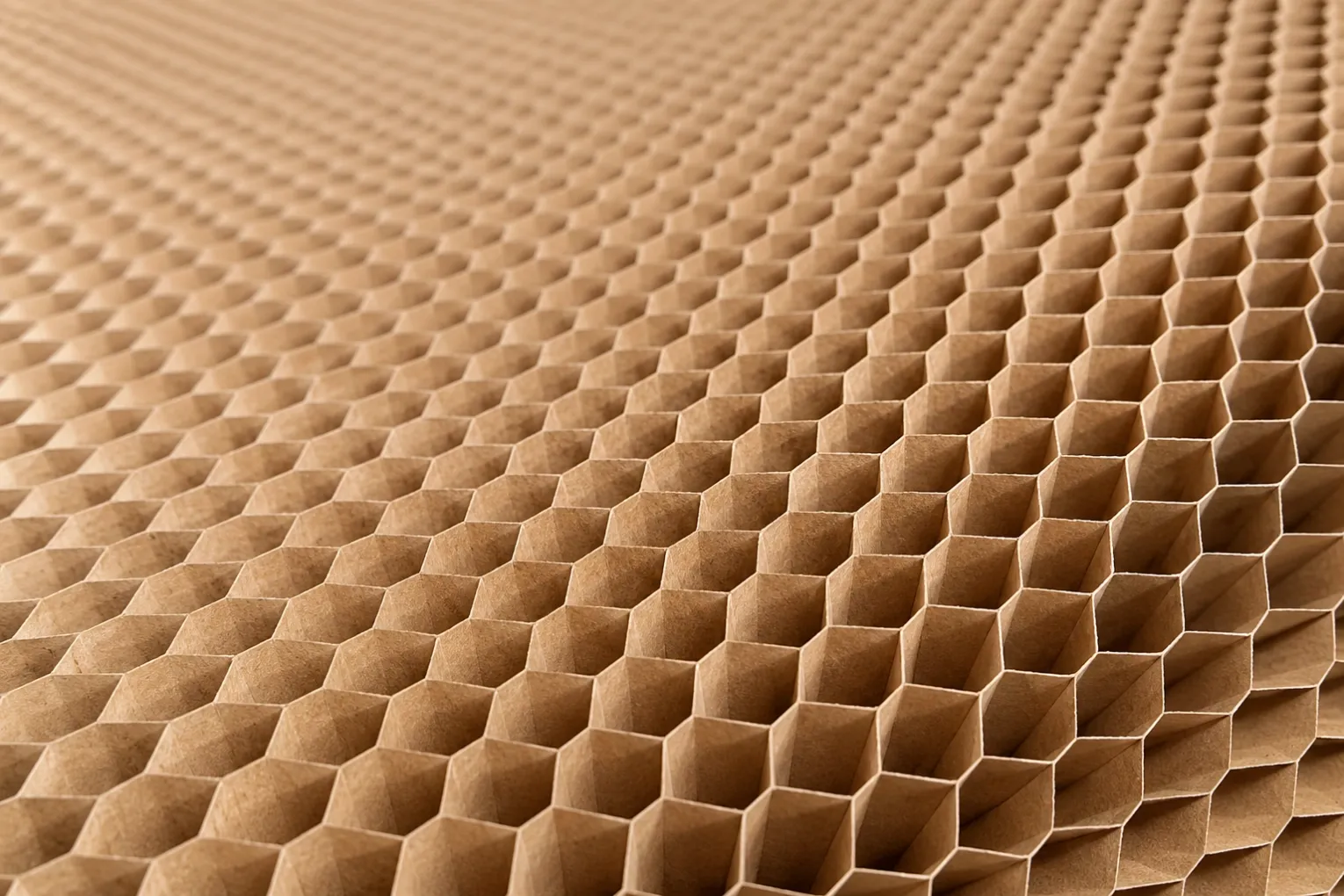
Honeycomb paper, on the other hand, relies on structural geometry. Inspired by nature, the vertical hexagonal cells act like the "crumple zones" in a modern automobile. When subjected to a heavy impact, the paper cells crush uniformly, absorbing and dispersing the kinetic energy away from the fragile glass. This provides exceptional vertical crush resistance and heavy-duty protection that soft EPE foam simply cannot match.
2. The Unboxing Experience and Brand Perception
For luxury brands, the unboxing experience is a critical touchpoint.
EPE foam, while functional, looks and feels like cheap industrial plastic. It often squeaks when handled and generates static electricity.
Custom die-cut honeycomb paper elevates the product presentation. The clean, sharp lines of a CNC-cut honeycomb insert communicate craftsmanship and sustainability. When a consumer opens a box to find a premium wine bottle perfectly cradled in a precision-cut kraft paper cavity, it reinforces the high-end value of your brand.
3. ESG Compliance and the Plastic Tax Reality
The financial landscape of packaging has changed. Governments are actively penalizing the use of unrecyclable plastics.
EPE foam is a nightmare for end-users to dispose of. Most municipal recycling programs do not accept it, meaning it ends up in landfills. For global brands, continuing to use EPE means paying exorbitant plastic packaging taxes.
Maxwell TecX honeycomb inserts are manufactured from FSC-certified kraft paper. They are 100% universally recyclable in standard cardboard streams. By making the switch, you instantly achieve ESG compliance, eliminate plastic tax liabilities, and provide your customers with a guilt-free disposal experience.
4. Customization and Tooling Costs
A major hidden cost of EPE foam packaging is the tooling. Creating custom cavities for different bottle shapes requires expensive steel molds. If your product design changes by just a few millimeters, you must pay for a completely new mold.
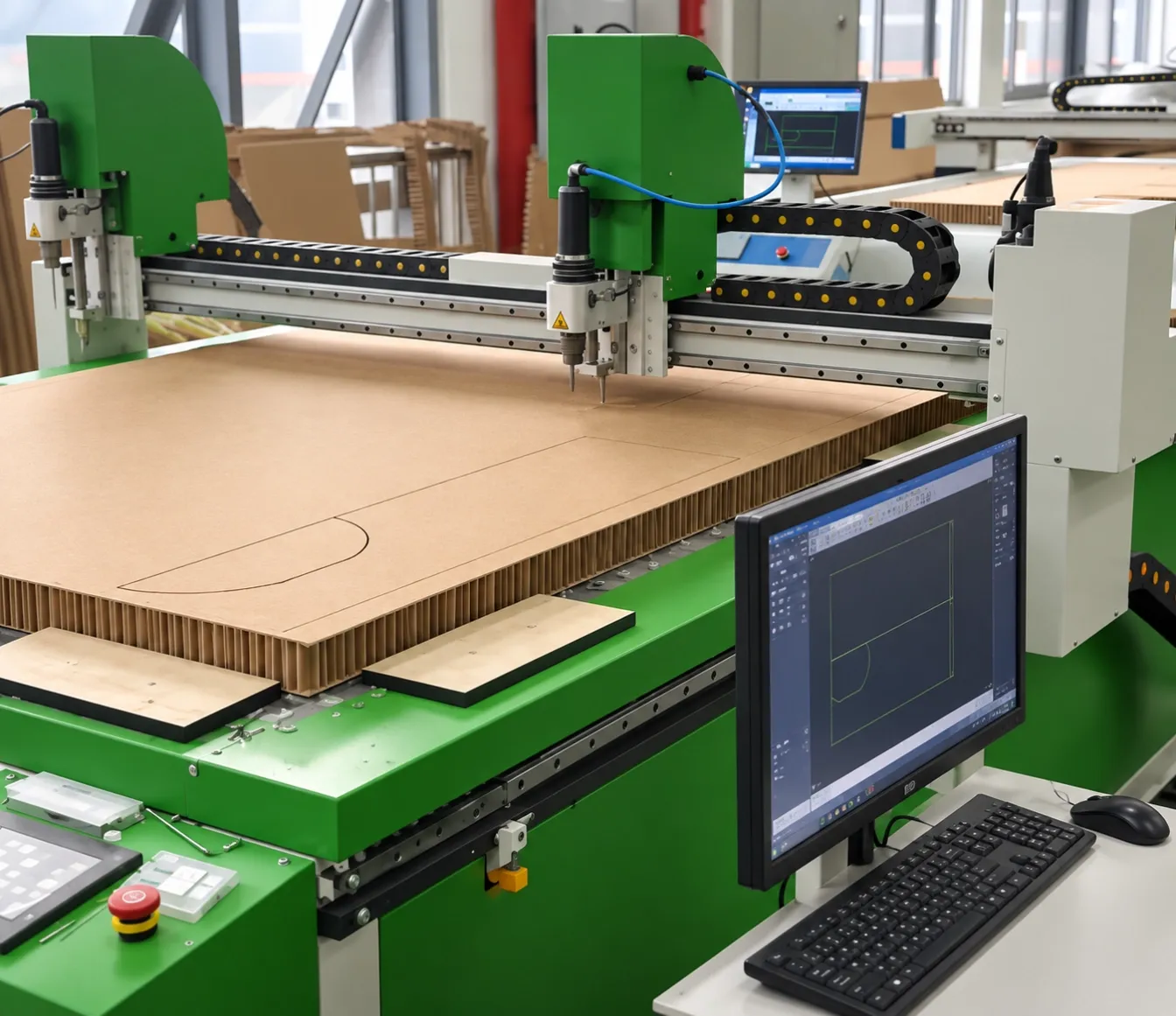
Maxwell TecX eliminates this problem entirely. We utilize advanced CNC oscillating knife cutters. The process is 100% digital. We take your 3D CAD files and cut the honeycomb board directly, requiring zero physical molds. This allows for rapid, cost-free prototyping and seamless design iterations.
Frequently Asked Questions (FAQ)
Q1: Will paper honeycomb scratch the surface of premium glass bottles?
No. Standard sawing methods create paper dust and rough edges, but our CNC oscillating knives slice through the paper fibers cleanly. This guarantees 100% dust-free, smooth edges that will never scratch glass or cosmetic packaging.
Q2: Can honeycomb inserts hold heavy wine or liquor bottles?
Absolutely. By customizing the cell size and the grammage (GSM) of the kraft paper, we engineer high-density inserts specifically designed to immobilize and protect heavy liquid-filled glass bottles during rough transit.
Conclusion: Protect Your Glass and Your Margins
Clinging to outdated EPE foam is a risk your brand can no longer afford. By transitioning to custom die-cut honeycomb paper inserts, you secure your fragile goods, bypass plastic taxes, and deliver a superior unboxing experience.
At Maxwell TecX, we act as a dedicated backend Chinese OEM for global brands and distributors.