Global Plastic Taxes: Financial Guide for Packaging Buyers
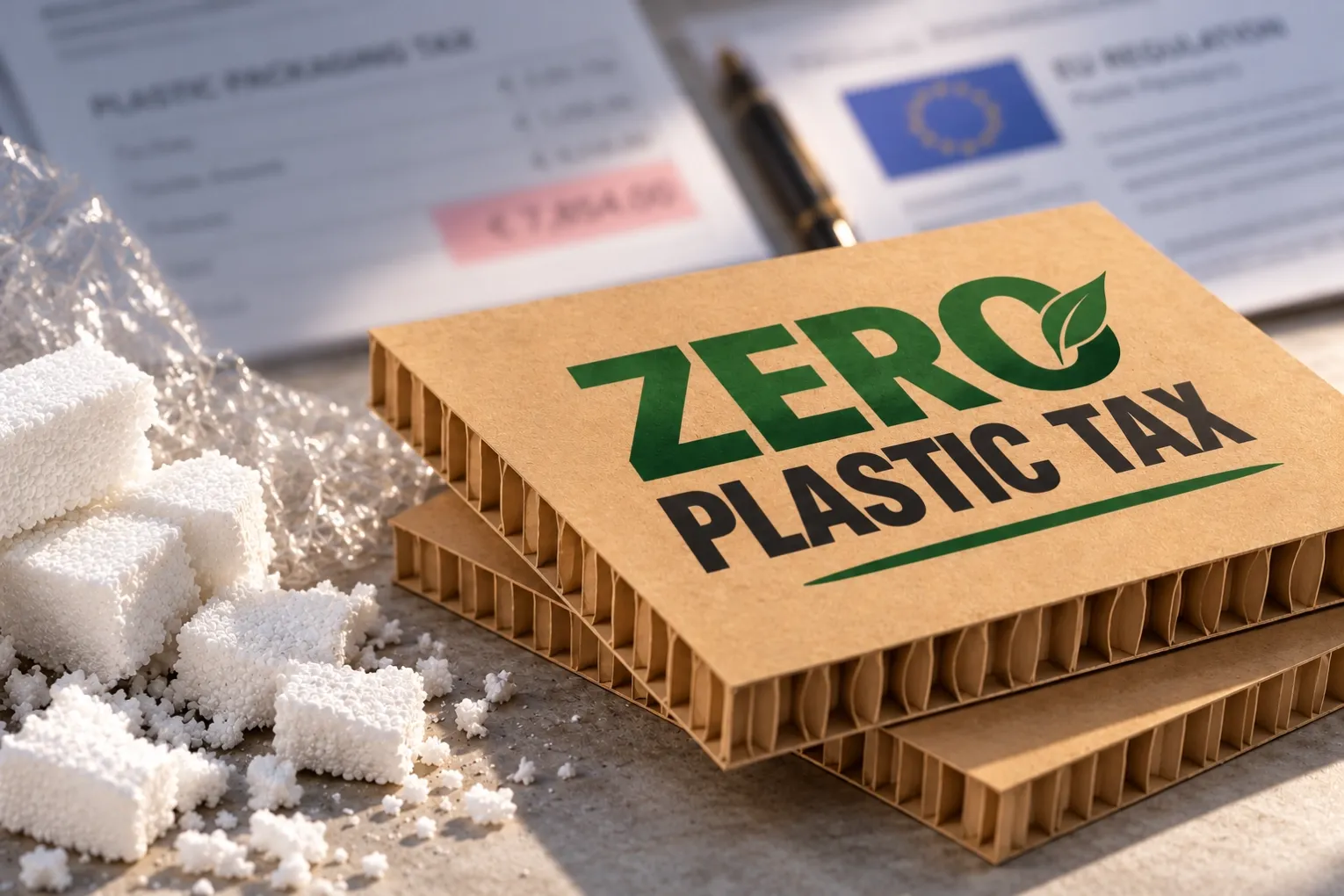
Stop paying EU and global plastic packaging taxes. Discover how distributors protect margins by switching to FSC honeycomb paper packaging. Get a quote.
Global Plastic Packaging Taxes: A Financial Breakdown for Distributors
Across the globe, the regulatory landscape for industrial packaging has fundamentally shifted. From the EU Plastic Own Resource and the UK Plastic Packaging Tax to strict Extended Producer Responsibility (EPR) laws in North America, governments are aggressively penalizing the use of unrecyclable plastics.
For packaging distributors and wholesalers worldwide, this is no longer just an environmental issue—it is a direct threat to wholesale margins and bottom-line profitability.
If you are a procurement director or category manager, passing these exorbitant tax costs onto your end-users will make you uncompetitive. Absorbing the costs will destroy your margins. The only viable financial strategy is to pivot to 100% tax-exempt, sustainable materials.
In this financial breakdown, we explore how switching to engineered honeycomb paper packaging can instantly eliminate your global plastic tax liabilities and optimize your landed costs.
Executive Summary: The Quick Verdict
The Financial Drain:Global plastic taxes and EPR fees apply heavily to EPS foam, plastic bubble wrap, and plastic corner guards, creating massive compliance and administrative costs for distributors.
The Solution:Transitioning to FSC®-certified honeycomb paper boards, pallets, and die-cut inserts completely bypasses these taxes, as paper-based products are universally exempt.
The Maxwell TecX Advantage:As a backend Chinese OEM, we supply high-strength honeycomb packaging shipped in an unexpandedstate. This slashes your ocean freight by 80%, compounding your financial savings beyond just tax evasion.
1. The True Cost of Plastic Packaging Compliance
Many distributors underestimate the true financial impact of global plastic regulations. The cost is not merely the direct tax rate per tonne of plastic imported or manufactured.
The hidden costs lie in the administrative burden. To prove that your plastic packaging meets specific recycled content thresholds (to qualify for exemptions), your procurement team must conduct rigorous, continuous supply chain audits. You must maintain complex records, weigh components, and submit regular returns to various national tax authorities.
Failure to comply results in severe financial penalties and reputational damage. For distributors handling high volumes of EPS foam or plastic edge protectors, the compliance overhead alone is eating into operational budgets.
2. The 100% Exemption: Honeycomb Paper Packaging
The most effective way to manage a tax is to avoid it entirely through legal, sustainable material substitution.
Global plastic taxes apply exclusively to plastic and polymer-based packaging. By replacing your plastic inventory with engineered kraft paper solutions, your tax liability drops to zero instantly.
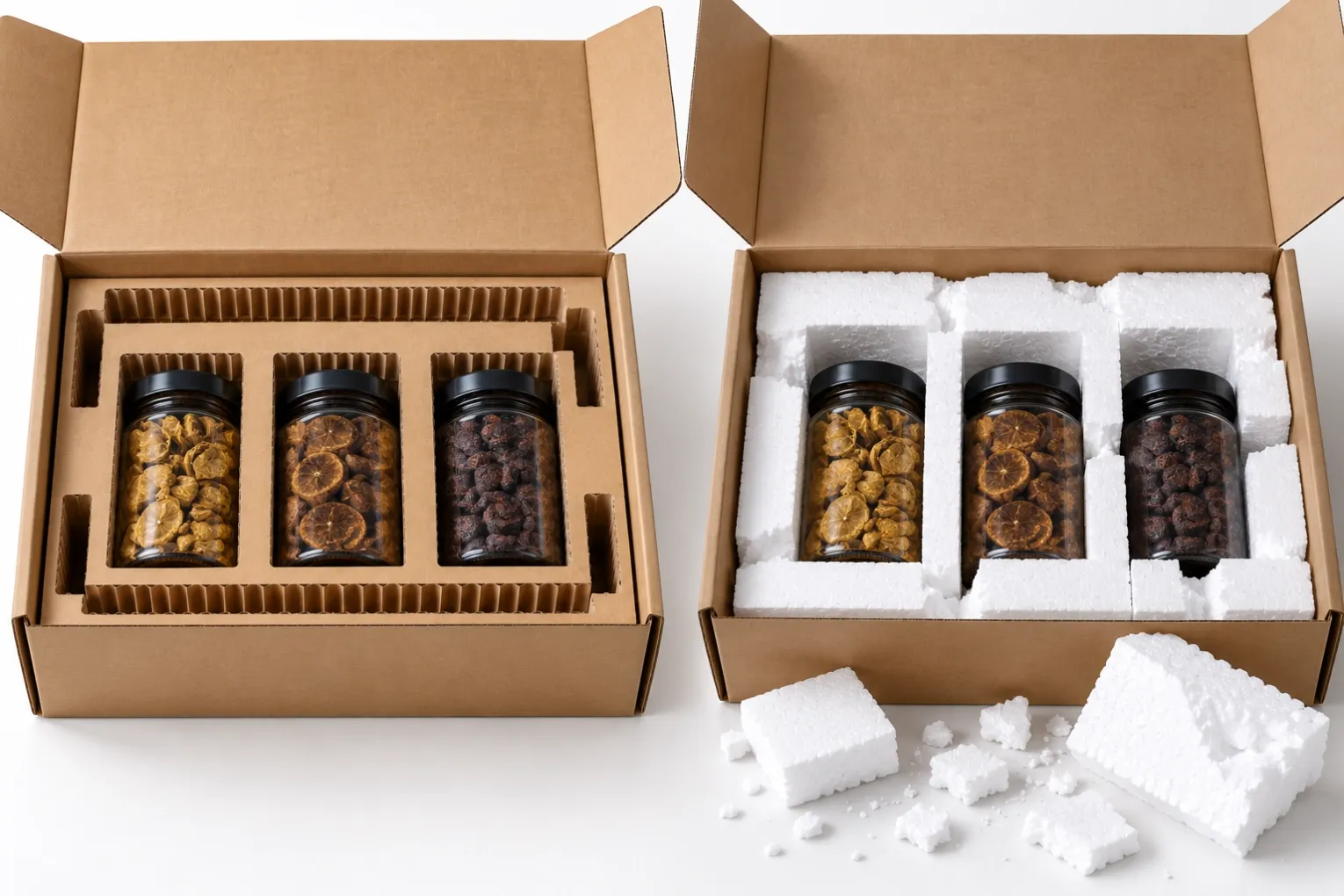
Replacing EPS Foam:Custom die-cut honeycomb paper inserts provide the exact same heavy-duty shock absorption as molded EPS foam, but are 100% paper-based and tax-exempt.
Replacing Plastic Corner Guards:Heavy-duty cardboard edge protectors distribute strapping tension flawlessly, eliminating the need for plastic V-boards.
3. The Margin Multiplier: Unexpanded Shipping
Eliminating plastic taxes is only the first step in protecting your margins. The second step is optimizing your inbound freight.
If you import fully assembled eco-friendly packaging from overseas, the exorbitant ocean freight costs can offset your tax savings. This is where Maxwell TecX provides an "unfair pricing advantage" for our global distributor partners.
We act as your backend OEM manufacturing base. We ship our FSC-certified honeycomb cores in an unexpanded (compressed)state.
A single shipping container of our unexpanded core expands up to 30 times its volume upon arrival at your facility. This logistics hack drastically slashes your ocean freight costs, ensuring your landed cost for sustainable packaging is significantly lower than domestic sourcing.
Frequently Asked Questions (FAQ)
Q1: Is honeycomb paper more expensive than plastic packaging?
When evaluating the Total Cost of Ownership (TCO)—which includes the base material cost, the elimination of global plastic taxes, zero compliance admin costs, and our 80% freight savings via unexpanded shipping—honeycomb paper is highly cost-competitive and often cheaper than taxed plastic.
Q2: Will my end-users accept paper packaging?
Yes. In fact, end-users prefer it. Disposing of EPS foam is frustrating and often incurs disposal fees for the end-user. Honeycomb paper is 100% universally recyclable in standard curbside cardboard streams, elevating your client's brand image and unboxing experience.
Conclusion: Future-Proof Your Procurement Strategy
The regulatory landscape in Europe, North America, and beyond will only become stricter. Clinging to plastic packaging is a depreciating strategy. By partnering with a reliable backend OEM to supply tax-exempt, freight-optimized honeycomb paper, you secure your supply chain and maximize your wholesale margins for 2026 and beyond.
Ready to eliminate your plastic tax liabilities?
Contact Our Sourcing Experts for a Custom OEM Quote Today.
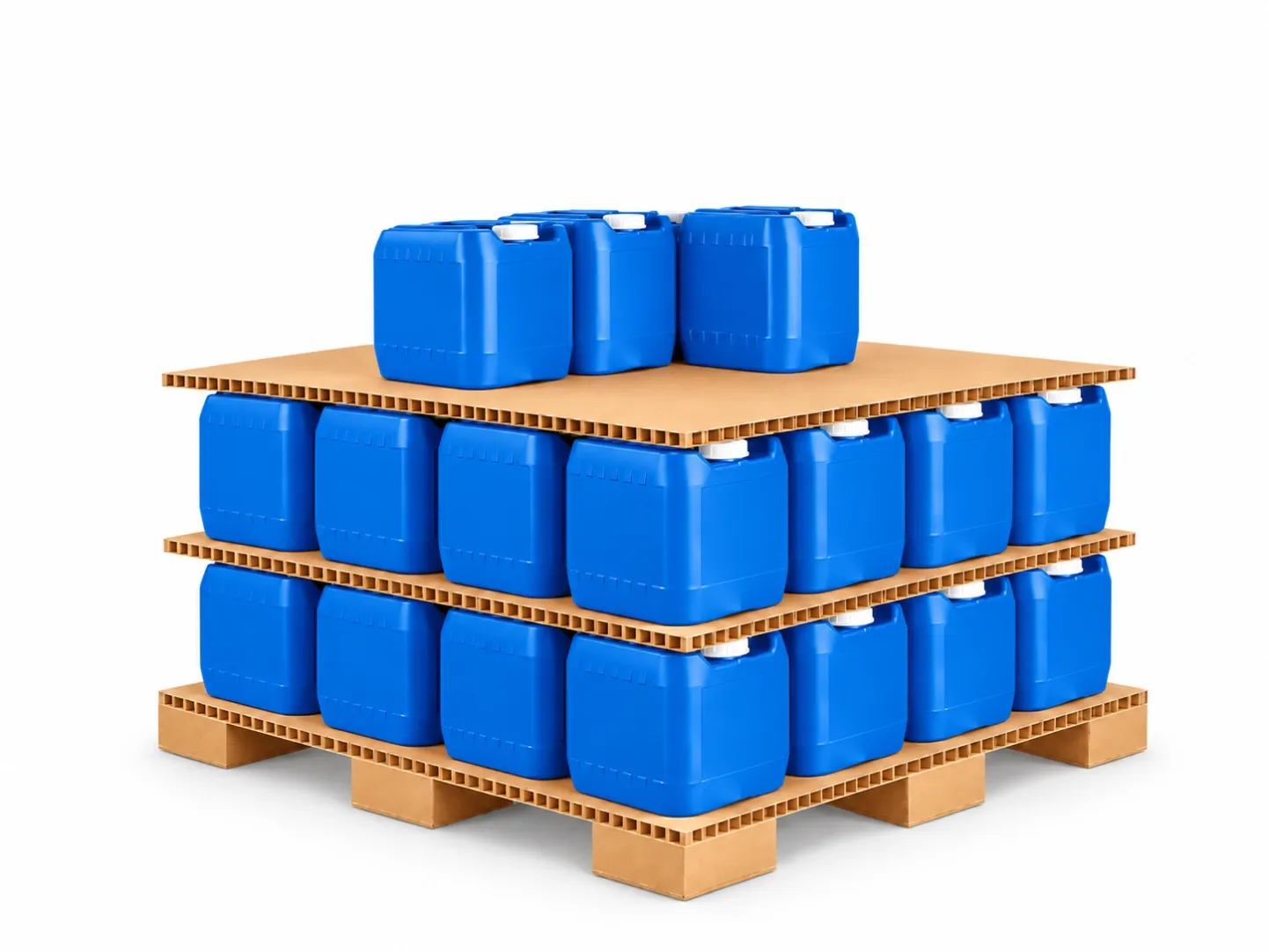
Prevent cargo shifting and transit damage. Discover how honeycomb paper layer pads and edge protectors optimize load containment and pallet stabilization.
Compare EPE foam vs custom die-cut honeycomb paper for fragile glass packaging. Learn how to beat the plastic tax with 100% recyclable inserts. Get a quote.
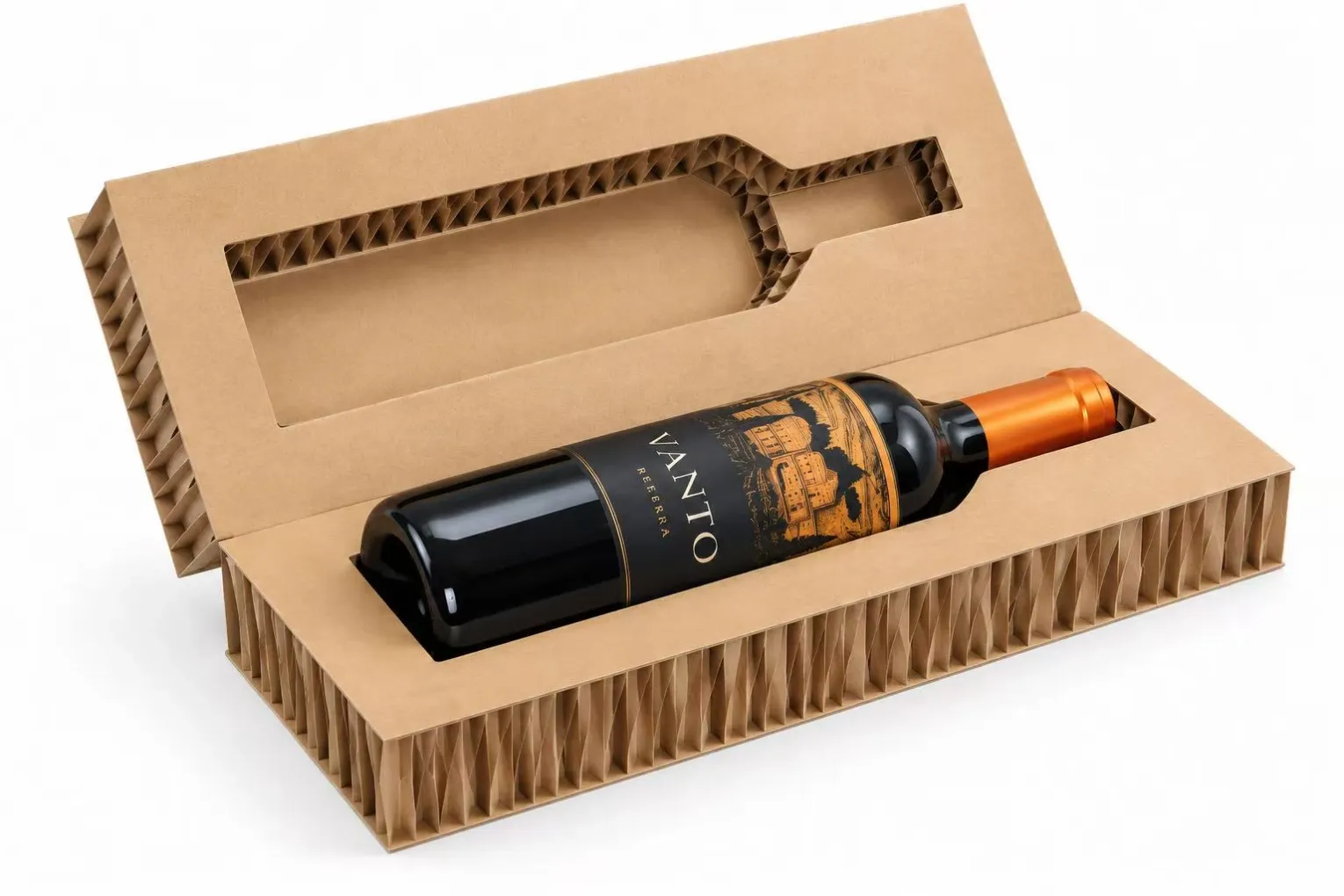
Upgrade your luxury unboxing experience. Replace cheap plastic bubble wrap with custom die-cut honeycomb paper inserts. 100% recyclable and zero plastic tax.