Prevent cargo shifting and transit damage. Discover how honeycomb paper layer pads and edge protectors optimize load containment and pallet stabilization.
Load Containment: The Ultimate Guide to Pallet Stabilization
There is nothing more devastating for a supply chain director than opening a shipping container after a 30-day ocean transit, only to find that the pallets have shifted, boxes are crushed, and the high-value cargo is destroyed.
Product damage caused by poor load containment costs global industries billions of dollars annually in rejected shipments, return logistics, and damaged brand reputation.
For decades, warehouses have relied on excessive plastic stretch wrap to hold pallets together. But in heavy-duty industrial exports—such as automotive components, machinery, and bulk liquids—plastic wrap alone cannot defy the laws of physics. You need structural reinforcement.
The Problem:Dynamic forces during ocean freight and truck braking cause pallets to shift. Relying solely on plastic stretch wrap leads to bottom-box crush and load failure.
The Solution:A structural "exoskeleton" approach. Using honeycomb paper layer pads for weight distribution and rigid edge protectors for vertical strength.
The Maxwell TecX Advantage:We supply high-strength, FSC®-certified load containment components that ship flat-packed, drastically lowering your inbound freight costs while ensuring 100% ESG compliance.
1. The Physics of Pallet Shifting and Box Crush
During international transit, a palletized load is subjected to severe dynamic forces: pitch and roll on cargo ships, sudden braking on trucks, and vibrations from forklifts.
When a pallet is stacked with heavy cartons, the weight is rarely distributed perfectly. The corners of the bottom boxes bear the brunt of the vertical pressure. Once a single bottom corner crushes, the entire pallet loses its center of gravity, causing a cascading collapse known as "load shifting."
Wrapping the pallet in dozens of layers of plastic stretch film might hold the crushed boxes together, but it does not prevent the initial structural failure. To achieve true load containment, you must reinforce the geometry of the pallet.
2. Honeycomb Layer Pads: Mastering Weight Distribution
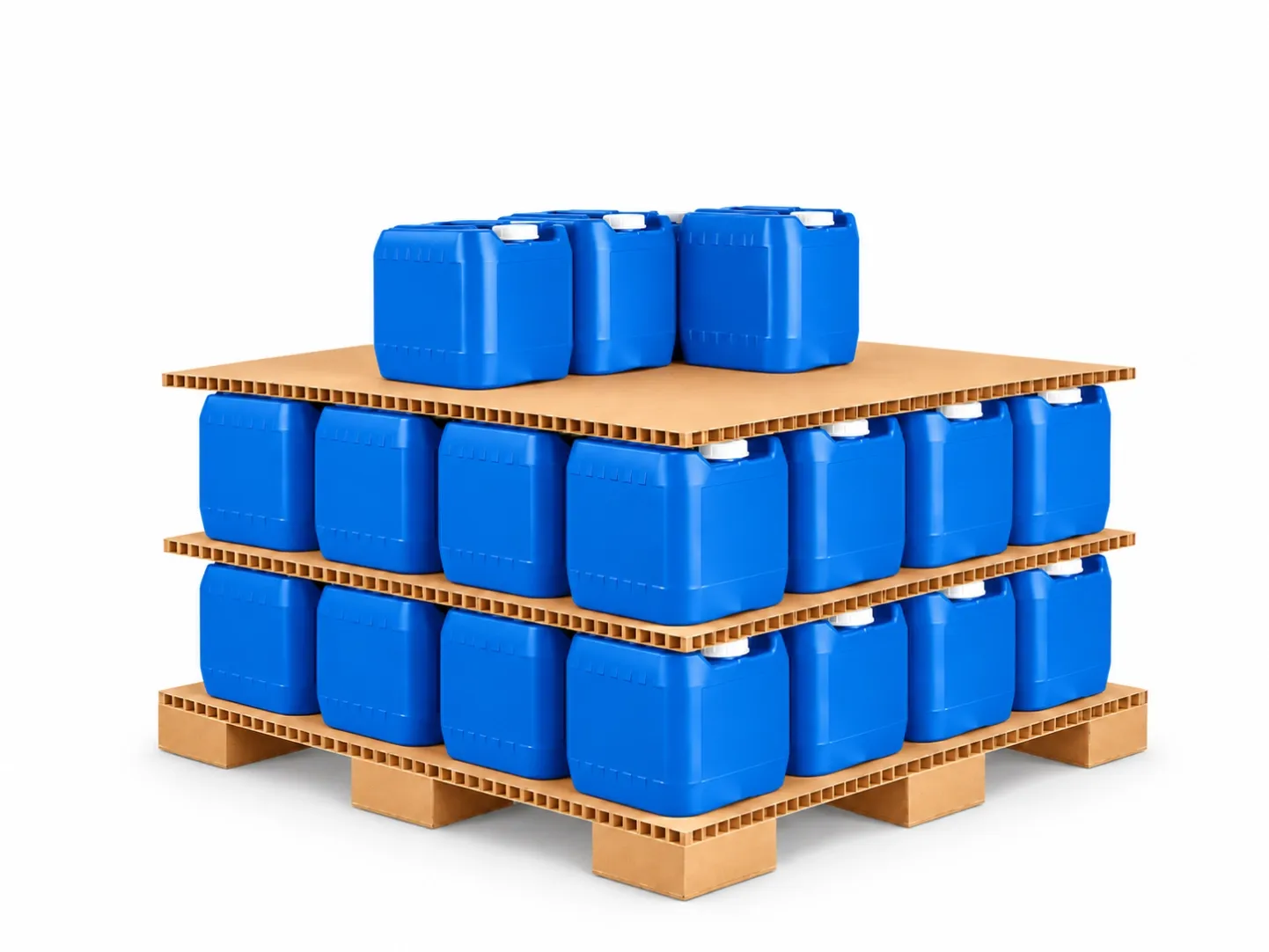
The first line of defense against bottom-box crush is the Honeycomb Paper Layer Pad (also known as a tier sheet or divider).
Instead of stacking heavy boxes directly on top of each other, a rigid honeycomb paper board is placed between each tier of cartons.
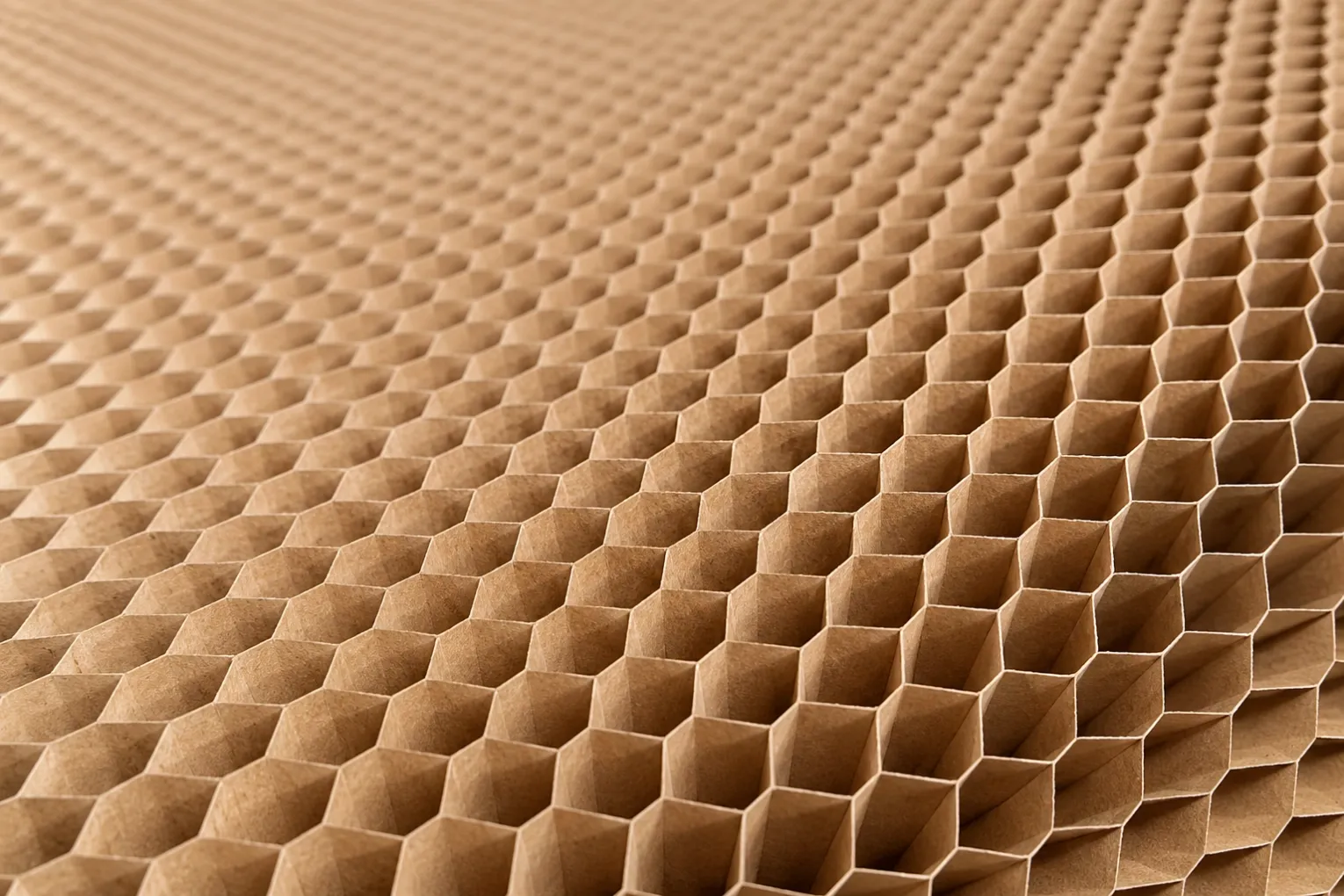
Impact Dispersion:The hexagonal cellular core of the honeycomb board acts as a shock absorber. It takes the concentrated weight from the boxes above and distributes it evenly across the entire surface area of the tier below.
Lateral Stability:The high-friction surface of the kraft paper liner prevents the boxes from sliding against each other during transit vibrations, locking the layers in place.
3. Edge Protectors: Building a Vertical Exoskeleton
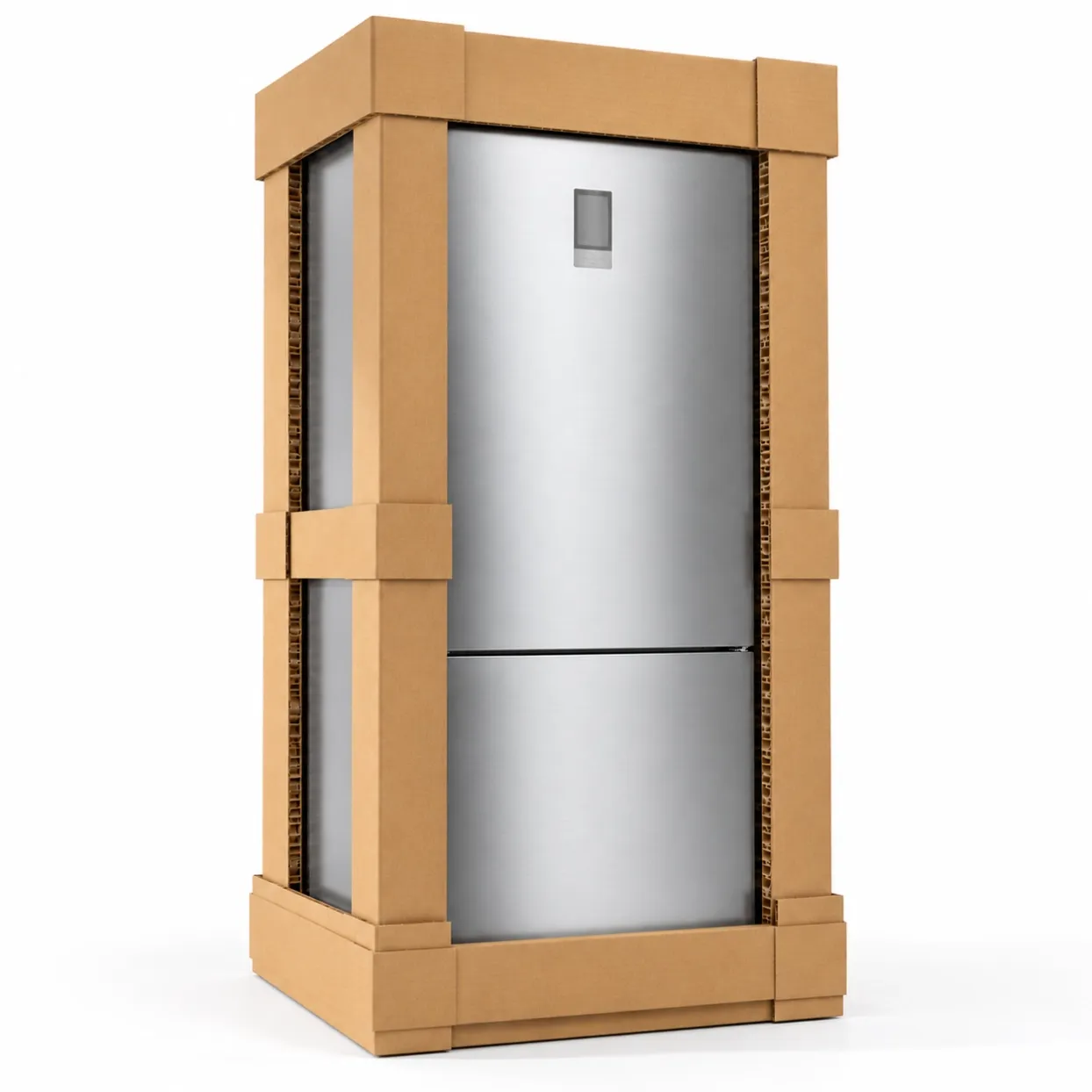
Once the horizontal weight is distributed using layer pads, the load must be secured vertically. This is where Heavy-Duty Cardboard Edge Protectors (V-boards) become critical.
Placed along the four vertical corners of the palletized load, these rigid angle boards serve two vital engineering functions:
Strapping Protection:To secure heavy industrial loads, high-tension steel or PET strapping is required. Without edge protectors, this tension will slice directly into your cartons. Edge boards act as an impenetrable shield, distributing the strapping tension safely across the entire edge.
Vertical Stacking Strength:The V-boards act as structural pillars. They transfer the weight of double-stacked pallets directly down to the wooden or paper pallet base, completely bypassing the fragile corrugated cartons in the middle.
4. The ESG Mandate: Eliminating Plastic Waste
Historically, companies used plastic corner guards and thick plastic slip sheets for load containment. Today, this is a massive financial liability due to the EU and UK Plastic Packaging Tax.
Maxwell TecX honeycomb layer pads and edge protectors are manufactured from FSC-certified kraft paper. They provide the extreme rigidity of plastic and wood but are 100% universally recyclable in standard cardboard streams. You eliminate plastic tax penalties and provide your end-users with a zero-cost, frustration-free disposal experience.
Frequently Asked Questions (FAQ)
Q1: Can cardboard edge protectors withstand high-tension steel strapping?
Yes. For heavy industrial applications, we engineer our edge protectors with multiple layers of high-strength kraft paper, reaching thicknesses of up to 10mm. They are specifically designed to withstand extreme strapping tension without bending or cracking.
Q2: Are honeycomb layer pads reusable?
While they are 100% recyclable for one-way export shipping, their high compressive strength means they can easily be reused multiple times in closed-loop domestic warehouse systems, maximizing your ROI.
Conclusion: Secure Your Cargo, Protect Your Margins
True load containment is about working with physics, not against it. By integrating honeycomb layer pads and rigid edge protectors into your palletization process, you guarantee that your high-value cargo arrives in pristine condition.
As a dedicated backend Chinese OEM, Maxwell TecX supplies these critical load containment components flat-packed, ensuring you get factory-direct pricing without paying to ship dead air.
Contact Our Packaging Engineers for a Custom Load Containment Quote Today.
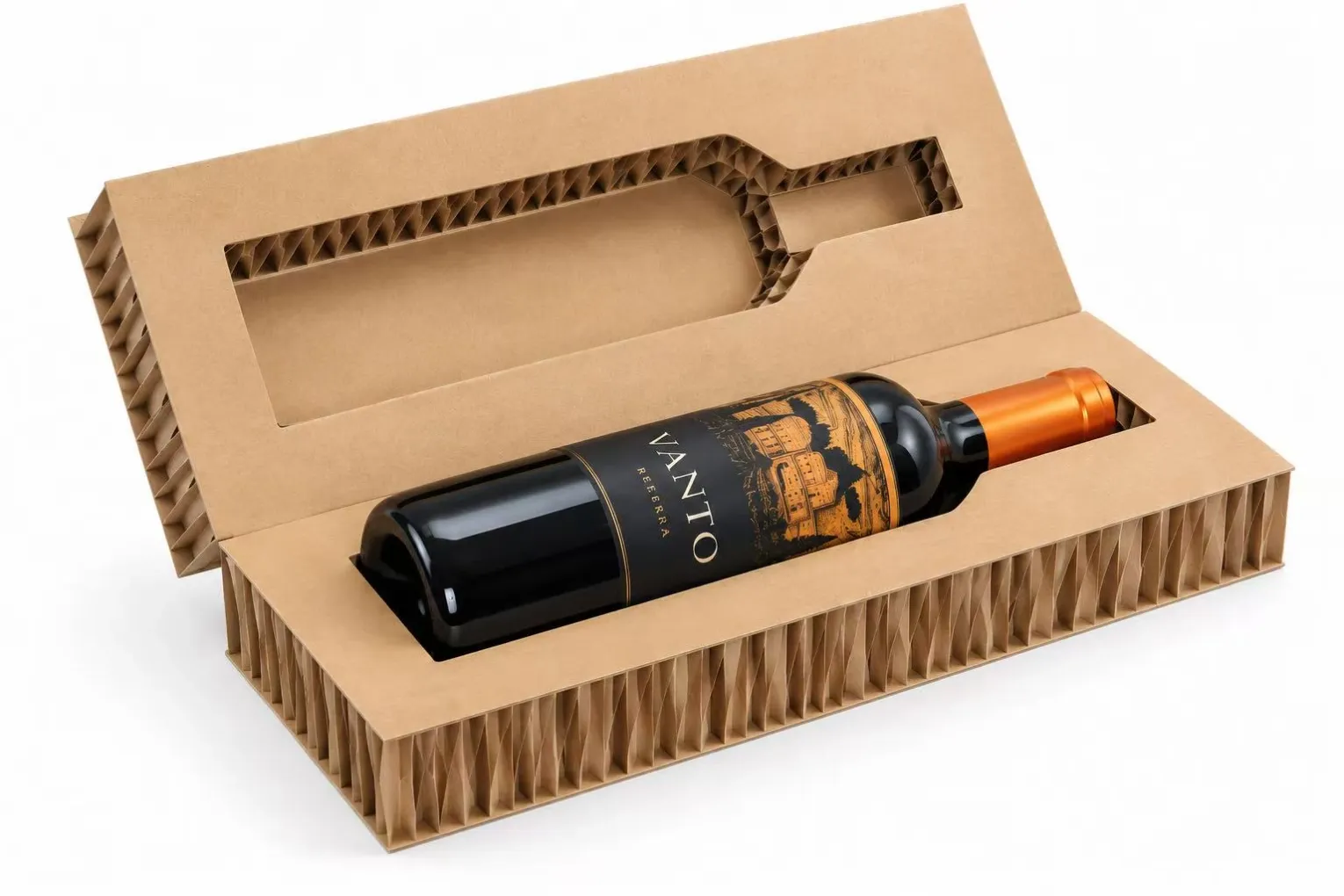
Compare EPE foam vs custom die-cut honeycomb paper for fragile glass packaging. Learn how to beat the plastic tax with 100% recyclable inserts. Get a quote.
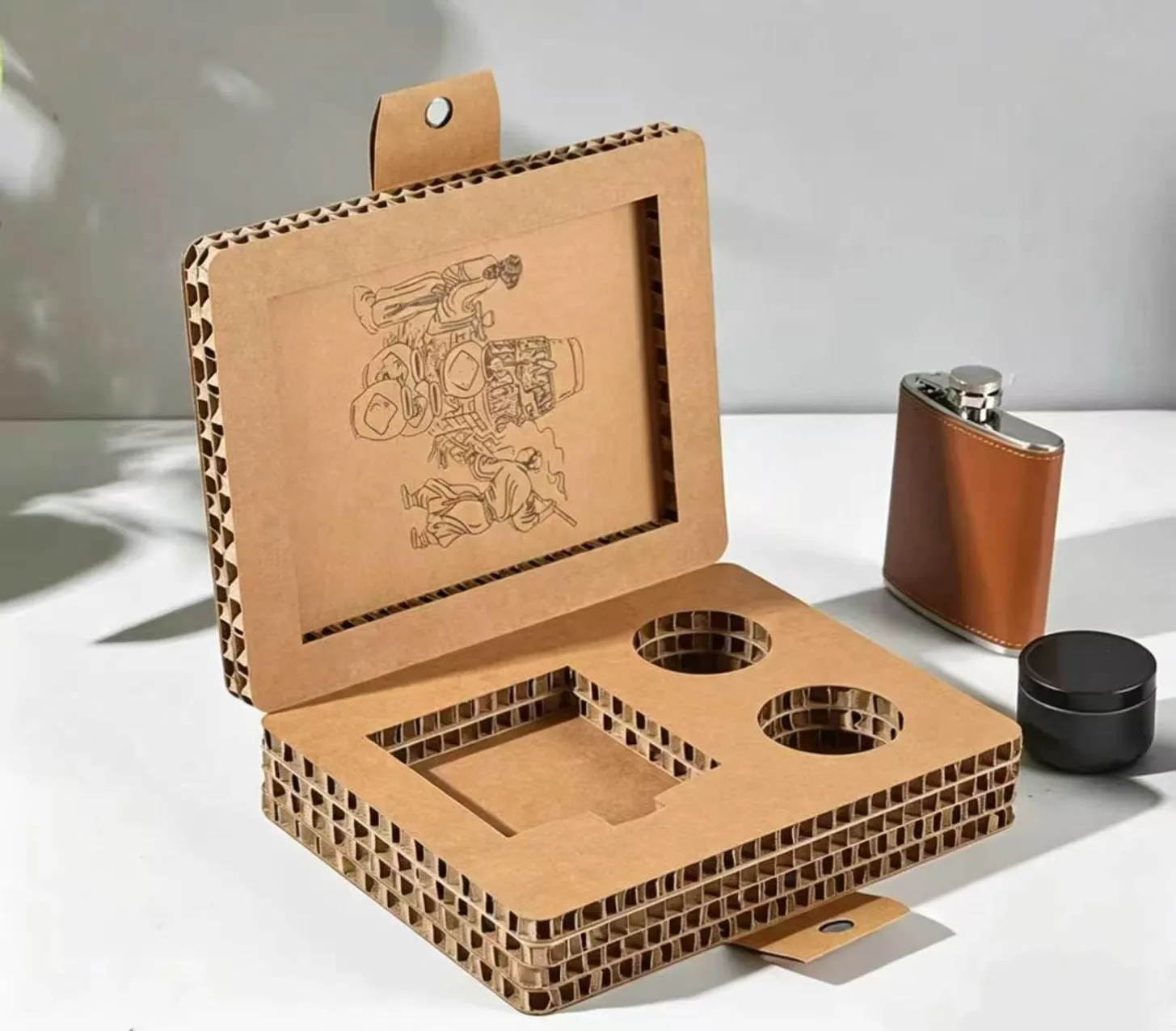
Upgrade your luxury unboxing experience. Replace cheap plastic bubble wrap with custom die-cut honeycomb paper inserts. 100% recyclable and zero plastic tax.
Replace EPS foam coolers in cold chain logistics. Discover how honeycomb paper provides excellent thermal insulation, zero plastic tax, and flat-packed savings.